
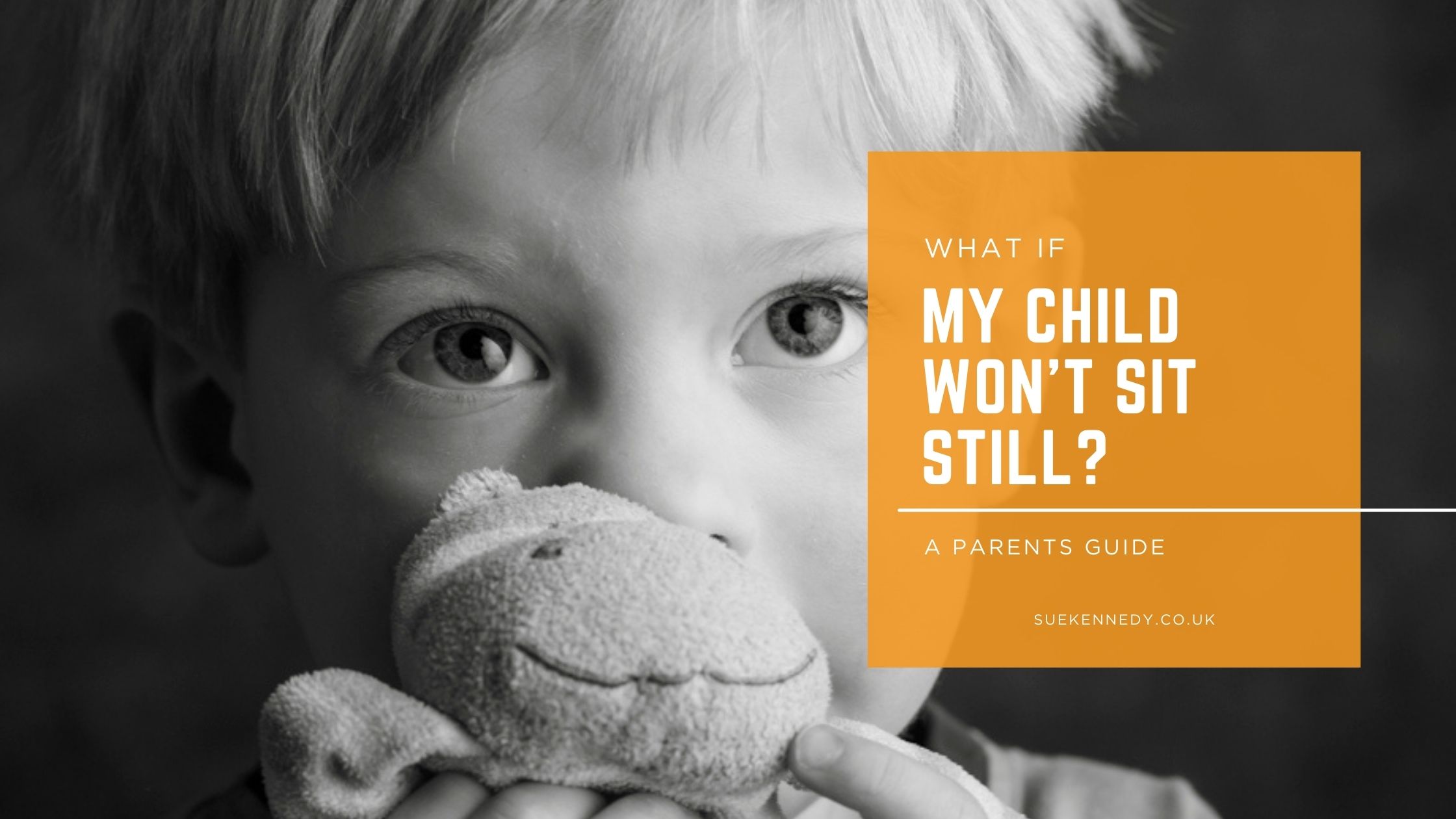
Most children don’t sit still – and they don’t need to.
Child-led photography is designed around movement, curiosity, and short attention spans, so your child doesn’t have to perform for the camera for us to create beautiful portraits.
If you’ve ever thought, “This sounds lovely… but my child won’t cooperate,” you’re not alone. And you’re not being negative – you’re responding to real experience.
Most mums have tried taking their own photos at some point. I have too. The pressure of getting one good one often ends the same way: a frustrated adult, a wriggly child, 50 near-identical shots on your phone… and maybe one or two that feel usable if you squint. Been there. Done that. Got the T-shirt.
And yes – this happens to me as well. My own child doesn’t suddenly become compliant just because photography is my job.
So when you start thinking about professional portraits, it’s completely natural to worry it’ll be more of the same – except now you’re paying for it, watching the clock, and hoping your child holds it together long enough to justify the investment.
Underneath that worry, though, there’s often something quieter. A sense that this stage is slipping past quickly, and you don’t want to look back wishing you hadn’t kept putting it off because it felt too hard.
Here’s what I’ve learned after nearly twenty years of photographing young children: meaningful portraits don’t come from them behaving. They come from sessions designed around how children actually are.
That’s why I want to learn about your child before you even arrive at the studio. I want to see what you see – the expressions, the quirks, the things that make them unmistakably yours – because that’s what I’m there to photograph. Not what I think you should want. Not a version of your child that fits someone else’s idea of how children ought to be.
I’m not a “children should be seen and not heard” photographer. I might invite a child to sit on a chair – not to pin them down, but simply to slow the pace for a moment. What I’m really watching for is what unfolds once they’re there. The way they perch. Fidget. Twist. Slide sideways. That’s where things start to feel real.
The same goes for you. The way your child tucks into you, climbs you like a piece of furniture, and holds your bra strap for reassurance. Those interactions aren’t staged – they happen when children forget they’re being watched. And that’s when a session stops being a record of how they look and becomes about the relationship between you.
If you’re still wondering how this works in practice, here’s what to expect.
What actually happens in a child-led session
This is usually the part parents are most anxious about – so let me talk you through how I approach it.
When you arrive, there’s no expectation that your child will sit still, smile on cue, or do anything “right”.
In fact, most children don’t.
The first few minutes
We start gently. Your child gets time to look around, stay close to you, or move at their own pace. I’m not reaching for the camera straight away or asking them to perform. I’m watching – how they move, what they’re curious about, how they connect with you.
This isn’t wasted time. It’s how I learn more about who they are.
If your child is wriggly, shy, or glued to you
That’s completely normal – and expected.
Some children want to explore.
Some stay tucked into your shoulder.
Some flit between the two.
I don’t try to “correct” that. I work with it.
I’ll guide you gently into positions that feel natural, so your child can lean, climb, cuddle, or move without being restricted. Those in-between behaviours – the reach, the grip, the glance back to you – are often where the most meaningful portraits come from.
If they don’t engage at all
This is a big one, and it’s where many parents worry the session will fall apart.
It doesn’t.
Child-led photography isn’t about getting a reaction. It’s about responding to what’s already there. A quiet child isn’t a problem to solve – they’re simply telling us how they feel in that moment.
We slow things down. I adjust. And often, once the pressure disappears, children do exactly what they need to do.
What you need to do as a parent
Very little.
You don’t need to entertain, bribe, or apologise. You don’t need to keep saying “just smile” or “sit nicely”. In fact, the less you try to manage things, the easier it becomes.
Your job is simply to be with your child.
I’ll take care of the rest.
What this means for the portraits
Because the session follows your child, the portraits don’t rely on them doing one specific thing. They reflect their personality as it is – curious, thoughtful, energetic, cautious, affectionate.
That’s why parents are often surprised afterwards, saying, “That’s so them.”
The “sitting still” myth
Young children aren’t wired to sit still on command. They explore, test boundaries, move constantly, and follow their curiosity. That’s not a flaw to fix – it’s how they experience the world at this age.
Traditional photography setups often ask children to do something fundamentally unnatural: stay still, follow instructions, perform for someone they don’t know.
A child-led approach works differently. Instead of your child adapting to the session, the session adapts to your child. And I still guide them, but I am not worried if something else happens. I may go back to it, I may not.
Movement, pauses, bursts of energy, sudden stillness – all of it becomes part of the experience rather than something to manage or apologise for. Often, the portraits parents end up loving most come from the moments they were initially most worried about.
What child-led actually means in practice
Child-led doesn’t mean chaotic or unstructured. It means responsive, gently guided, and realistic about who your child is right now.
In your session, that usually looks like:
- Time to settle – children need space to adjust to somewhere new before anything is expected of them
- Freedom to explore – rather than correcting every movement, we let them discover the space
- Following their lead – I might suggest something, but I’m always watching for what genuinely engages them
- Reading the room – knowing when to step in, when to pause, and when to simply let things unfold
There is direction, but it’s subtle. There is structure, but it’s flexible. What I’m really doing is discovering their party tricks – the things that are uniquely them. The playful moments with you that bring genuine joy, not forced smiles.
When children feel safe to be themselves, they often give us exactly what we’re hoping for – just not on a rigid timetable.
What this means for you
Here’s the thing: when you arrive already braced for difficulty, children sense it. The more you need them to behave, the less likely they will. It’s like they can smell your desperation.
The slightly counter-intuitive truth is that children don’t need a pep talk before a portrait session. In fact, the more they’re coached, bribed, or reminded to “smile nicely,” the more they tend to do… the exact opposite.
Little ones are remarkably good at reading the room. If something feels high-pressure or overly important, they pick up on it instantly – and suddenly we’re dealing with forced grins, refusals, or a performance that doesn’t quite feel like your child at all.
The sessions that work best are usually the ones where parents keep things low-key. No rehearsals. No speeches. No emergency chocolate stash just in case. Treat it like a normal outing together. When you’re relaxed, they relax. When you trust the process, they stop trying to manage it.
My job is to watch what’s unfolding and guide things gently from there. The shift often happens when expectations loosen and everyone is allowed to show up as they are.
A child-centred session doesn’t just support your child – it supports you.
- You don’t have to manage every moment.
- You don’t have to apologise for behaviour.
- You don’t have to feel responsible for making it all work.
Instead, you get to step back and notice your child differently. Their expressions. Their gestures. The way they move through the world when there’s no pressure to perform.
Most mums tell me afterwards that they were surprised by how manageable – even enjoyable – it felt. Not because everything went smoothly, but because it felt human. Thoughtfully designed around real family life.
The artwork that comes from trust
When children are allowed to be themselves, the resulting portraits feel different.
They don’t look stiff or generic. They don’t feel performed, even when they’re playful. They look like your child – their expressions, their energy, their exact way of being at this age.
When that artwork goes up in your home, it becomes a quiet reminder that you didn’t need to wait for an easier phase or a calmer stage. You trusted the process – and your instincts – even when things felt unpredictable.
For the mums still hesitating
If you’re thinking, “We’ll wait until they’re older and easier,” I understand. Many parents reach that conclusion.
But what I’ve learned over the years is this: the stage that feels hardest to photograph – the movement, the intensity, the big personality – is often the one parents are most grateful they didn’t skip.
It’s a chapter that deserves to be seen as it actually was.
Common questions parents ask about child-led photography
More frequently asked questions can be found here.
Ready to talk it through?
If this has eased even a small part of your worry, let’s have a conversation. We can talk about what you’ve already tried, what’s been putting you off, and whether this feels right for your family.
No pressure. No expectations. Just an honest chat about what matters to you right now.