
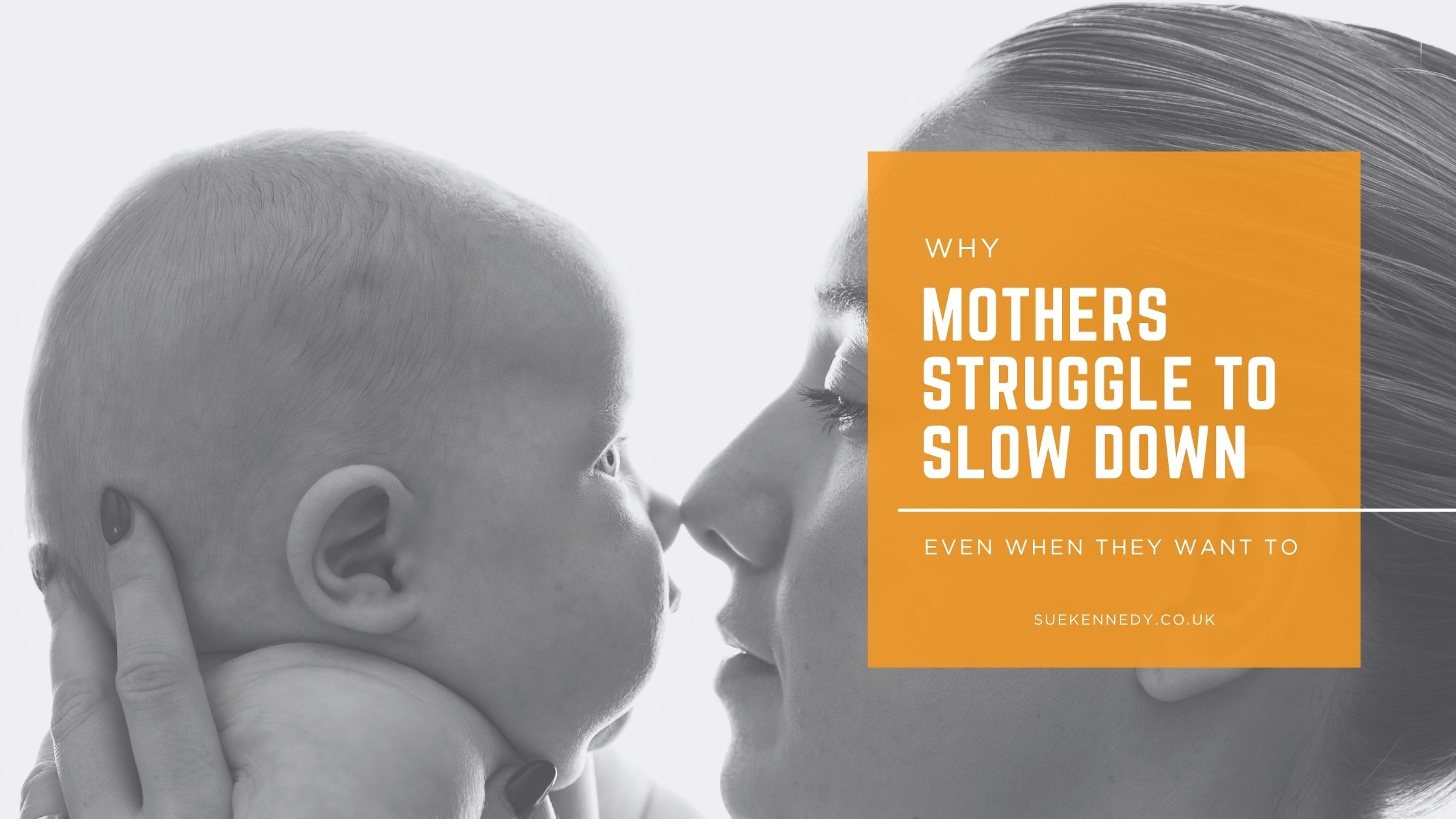
After twenty years of photographing families, here’s what I’ve learned about presence, pace, and why slowing down feels so dangerous
“I forget to just look at him sometimes,” a mother told me last week, misting up as she watched her son play during our portrait experience. She’d just realised she’d been so busy managing him – his schedule, his behaviour, his needs – that she’d stopped actually seeing him.
She’s not alone. After twenty years of photographing families, I’ve watched this moment happen hundreds of times.
Almost every mother I meet tells me the same thing, usually with a half-laugh and a sigh: I just wish things would slow down a bit. Not because life is unbearable, but because it’s so full – full of small responsibilities, invisible decisions, constant motion. We talk about slowing down like it’s a personal choice we’re failing to make, as though there’s a gentler version of life waiting if we could just get ourselves together.
But I’m not convinced that pace is the problem, or that wanting less speed is some kind of weakness. Though I do think there’s an element of keeping up with the Joneses – that silent pressure to fit in with your group of friends.
I noticed it with the baby group I was part of. We were thrown together because our babies were born around the same time, and it’s only now, looking back, I realise that’s not actually a good reason to be friends. I figured out pretty quickly I couldn’t compete with their consumerism, and I didn’t want to. I wanted support in this new chapter – I was navigating it without my own mother, who’d died from cancer nine years earlier. It wasn’t to be.
But it fed into my work. I wanted to create a studio where mothers could connect with their babies, enjoy them, and celebrate motherhood. A judgement-free zone. I love that every baby and parent is different. Sometimes I want to time travel back to when I was a new mum and tell myself “you’ve got this!” – but I can’t.
If you’re a mother who feels like you’re constantly busy, constantly behind, constantly not-quite-enough – this is for you. Not to fix you. You’re not broken. But to name something we don’t talk about enough.
I once said to a friend, “My parenting style is flying by the seat of my pants – aren’t we all?” She looked surprised, then relieved. Turns out we were both self-critical about our approaches, both thinking there must be a “right way,” not realising some of the advice we’d received was rooted in other people’s projections and fears.
I get reminded of this when a mum arrives – sometimes flustered, sometimes composed, always a little apologetic about being three minutes late. She’s wrangled children, packed snacks, and navigated traffic. She’s done all the invisible labour that gets a family from home to studio. And then we settle into the rhythm of the portrait experience, and somewhere in that time she becomes present with her children. She’s encouraging them, enjoying their responses to whatever silliness I’ve adopted to draw out their personality, sometimes even joining in – like a tag team behind the camera. And occasionally stepping into the frame, even if she thought she didn’t want to.
When did it become a luxury to simply be present with the people you love most?
I ask people if they’d like to be in the photos, and when they say no, I gently encourage them. I know they’ll regret it otherwise. I’ve seen it too many times. They think they know, but they don’t. Better they have the choice to keep that mother-and-child portrait than live with the regret of not having one.
What I’ve noticed over the years is that mums seem to think motherhood is a performance-related role and we’re secretly being judged – or rewarded – for our efforts. Maybe we are. But we just need to give ourselves permission not to give a fuck. Permission to slow down. Not permission from our partners or our bosses or our parents. Permission from ourselves.
We know, intellectually, that they’re not little for long. We read the articles. We follow the Instagram accounts about gentle parenting and mindful living. We nod along when someone says it. But knowing doesn’t make it happen.
Because slowing down feels dangerous when the to-do list is growing faster than you can tick things off. When stopping feels like failing.
So we keep moving. Keep managing. Keep the plates spinning. Society expects us to parent like we don’t have a job, and work like we don’t have kids. So we’ve learned to do both halfway – and feel guilty about all of it. And sometimes, our partners expect the same.
Here’s what I’ve observed: most of us aren’t busy because we love it. We’re busy because stopping means feeling what we’ve been outrunning.
The tiredness we’ve been pushing through. The decisions we’ve been deferring. The questions we’re not ready to answer yet: Is this the life I actually want? Am I happy? Am I enough?
It’s easier to stay busy than to sit with those questions.
So we fill every moment without even trying. Schedule every weekend.
And our children feel it. The busyness. The distraction. The sense that even when we’re together, part of us is somewhere else.
What Children Actually Need
Want to know what makes children light up in front of my camera? After twenty years and hundreds of families, I can tell you it’s never the expensive outfit or the Pinterest-worthy backdrop.
It’s the moment their mother stops performing and just sees them. Whispers in their ear, hugs them, playfully teases them.
When she gets down on their level – literally, physically – and lets herself be fully present. When she’s not thinking about the next thing or worrying about their behaviour or mentally running through her task list.
When she slows down enough to witness them.
That’s when children relax. When their real personalities emerge. When they stop trying to be good and just… are.
And that’s when the mother usually tears up. Because she suddenly sees her child – not as a task to manage, but as a whole person. Right here. Right now.
“I forget to just look at him sometimes,” one mother told me, watching her son build an elaborate story with his toy cars during our portrait experience.
She wasn’t failing him. She was just moving too fast to see him.
The Recalibration We Don’t Notice
We don’t realise we’re doing it, most of the time. I didn’t.
It’s like when you’ve been on the motorway for hours and you exit onto smaller roads. Suddenly 40mph feels impossibly slow, even though it’s a perfectly reasonable speed. Your body has recalibrated. Adjusted to the pace. Normalised the rush.
That’s what modern life does. It recalibrates us to constant motion until stillness feels wrong.
We check our phones whilst our children talk to us – not because we don’t love them, but because we’ve forgotten how to simply sit.
We pack weekends with activities – not because we don’t want downtime, but because empty space feels wasteful.
We photograph every moment – not because we’re present, but because we’re anxious about forgetting.
We’re documenting life instead of living it.
And our children inherit that anxiety. They learn that love looks busy. That attention is divided. That being together isn’t enough – you have to be doing something together.
What Slowing Down Actually Looks Like
I’m not going to tell you to delete social media or quit your job or move to the countryside. (Though if those things call to you, listen.)
Because slowing down isn’t about changing your circumstances. It’s about changing your attention.
For me, it was organising my work around being able to do the school run, then working again after she’d gone to bed. Though I’m pretty sure everyone thought I only worked school hours – they didn’t see all the unseen work that goes into running a business, all the hats you need to wear.
It’s not about doing less. It’s about being more present in what you’re already doing.
And here’s what I’ve noticed: children don’t need us to be perfect. They just need us to be present.
They need to feel that when they’re talking, we’re actually listening. That when they show us something, we actually see it. That we’re not just physically there – we’re emotionally available.
That’s what they remember. Not the expensive holidays or the elaborate parties. The moments when you were fully theirs.
The Gift of Witnessing
This is part of why I love what I do. It’s about giving families a reason to slow down and notice each other. I watch it happen every time. The initial awkwardness as everyone adjusts to the pace. Then the softening. The laughter. The spontaneous cuddles. The remembering of why they belong to each other.
Often, at the end of a portrait experience, the mother will say: “That was actually… really fun.”
As if she’s surprised. As if being present with her family shouldn’t feel joyful.
That’s bittersweet for me. As a mother of a teen, I know what’s coming – what quietly slips away, replaced with eye rolls and demands that you don’t laugh “so loudly” or ask “questions.”
Your four-year-old will be fourteen in a blink. I know – mine is there now. And whilst I can’t get those years back, I can tell you what I wish I’d known: being present isn’t something to fit in when you have time. It’s the only thing that actually matters.
You might be surprised. Not because anything dramatic happens, but because something subtle does.
You remember why you wanted this. Why you chose them. Why this life – messy and imperfect and ordinary – is actually extraordinary.
Because it’s yours. And you’re in it. And they need you here, not just physically, but fully.
What Twenty Years Has Taught Me
Time doesn’t slow down. It moves at exactly the same pace whether we’re busy or savouring.
But our experience of it changes completely based on our attention.
When we’re busy, years blur into a montage of tasks and stress and vague memories.
When we slow down – even just for moments – time expands. Becomes richer. More textured.
Your children won’t remember how clean the house was or how many activities you enrolled them in.
They’ll remember the morning you sat with them at breakfast and listened to their long, winding story about a dream they had.
They’ll remember the walk home from school when you weren’t on your phone and you noticed the ladybird together.
They’ll remember the feeling of being seen. Really seen.
That’s what stays.
An Invitation, Not a Guilt Trip
This isn’t about guilting you into being a better parent. You’re already doing that to yourself.
This is different. This is permission to stop performing motherhood and start experiencing it.
You don’t need to wait for the perfect moment. That moment never comes. The only moment you have is this one.
Your children don’t need perfect. They need you – present, imperfect, fully here.
That’s what they’ll remember.
Slow enough to feel it.
And if slowing down feels risky – like you’re being lazy or indulgent – let’s gently reframe that as allowing ourselves to celebrate what already exists: our family.
If this resonated, the next piece in this series is “Why Children Need to See Themselves in Photos“ Or, if you’re ready to slow down and actually do something about it, let’s have a conversation.