
PORTRAIT EXPERIENCE FAQ
What do parents ask before booking a portrait experience?
If you’re wondering what to expect – or quietly asking yourself whether this experience will feel right for your family – you’re in the right place.
Below, I’ve answered the most common questions parents ask before booking, from what to expect on the day, to how I work with children who are shy, energetic, or simply need a little time – these answers are here to help you decide with confidence.
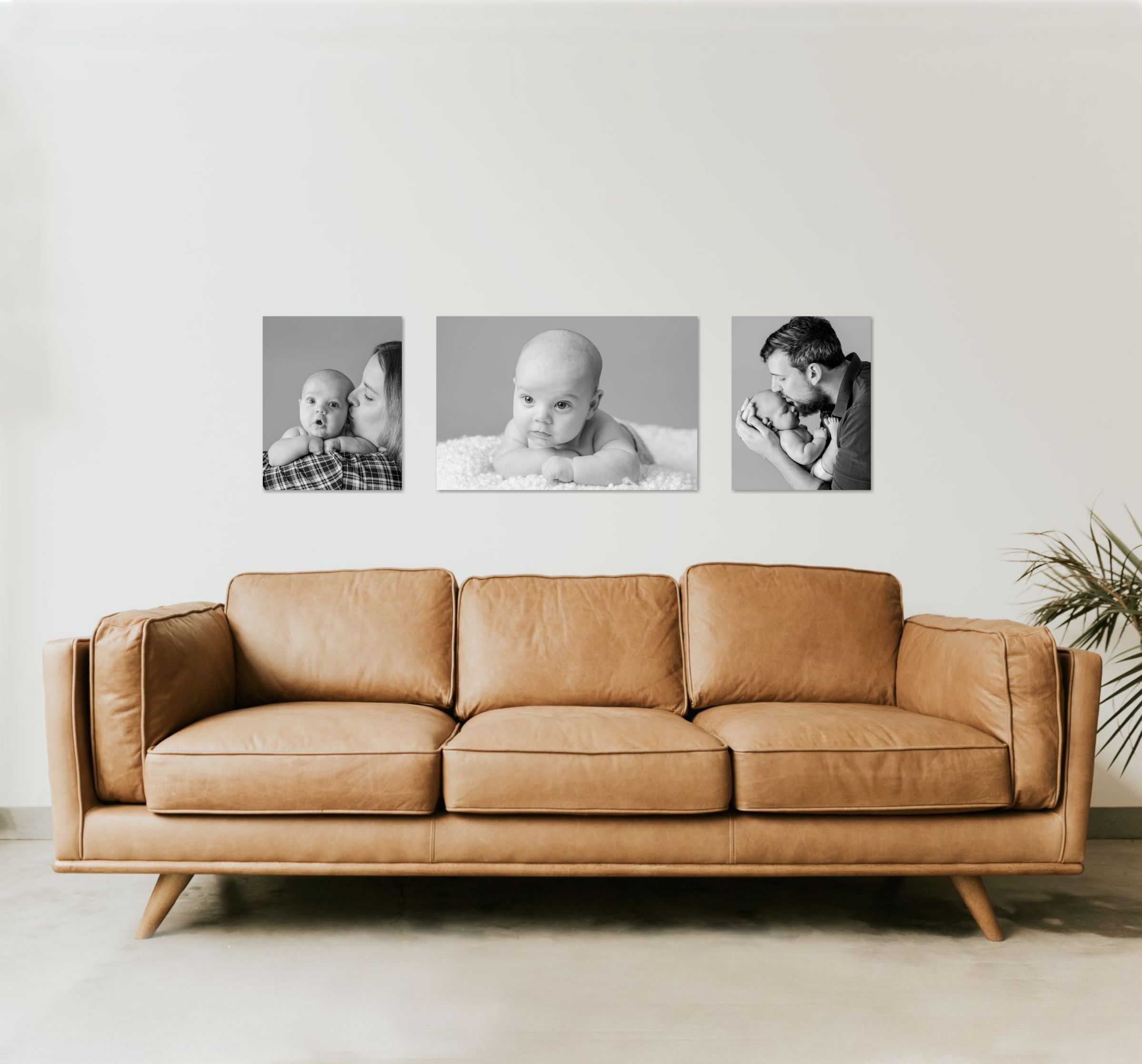
My studio is based in Harlow, with straightforward access from surrounding towns and villages in Essex and Hertfordshire.
Is this experience right for you?
This experience is for parents who want more than a quick set of photos – people who’d rather invest in printed artwork that lives in their home for years than files that sit on a phone.
It’s for parents whose baby missed the newborn window and are wondering if it’s too late (it isn’t). For parents whose child is shy, energetic, strong-willed, or simply not a “smiler” on cue. For parents who don’t feel ready to be in front of the camera themselves but want to be included on their own terms. For families who want one unhurried, guided portrait experience rather than a quick fixed-format one.
If any of that sounds familiar, you’re in the right place.
What should I know before booking?
Why does a full portrait experience cost more than a mini experience?
Mini experiences are quick, fixed, and built for volume. This experience is different: it’s a slower, personal, guided process from our first conversation through to finished artwork for your home. That’s the real reason for the price difference – not just time, but what each model is built to produce.
Mini experiences are built for speed and volume.
They’re short, fixed, and designed to produce a quick result that looks nice in the moment.
What we create together is slower, more personal, and intentionally guided from the very first conversation through to artwork that lives in your home long after this stage has passed.
Here’s what that difference really means in real terms.
You’re not paying for time. You’re investing in intention.
This experience begins before you ever arrive.
We talk through what matters to you, how you see your child, what you’re drawn to, and what you hope this artwork will give you emotionally when you walk past it every day.
Nothing is rushed. Nothing is templated.
Your child isn’t expected to fit a formula or perform on cue.
That space to slow down is where genuine connection unfolds.
You’re paying for guidance, not pressure.
Many parents worry this will feel sales-driven or awkward.
It doesn’t.
You’re gently guided at every step so you’re never left guessing, overthinking, or worrying you’ll make the wrong decision. Most families actually find this relieving. Someone else is carrying the mental load.
Clients choose this experience because it feels calm, considered, and respectful of their time, their budget, and their emotions.
You’re investing in artwork designed to live with you.
This isn’t about ending up with files that sit on a phone.
It’s about creating something tangible that becomes part of your home.
We design wall collections and story-led artwork that suits your space, your taste, and your life as it is now. You don’t need to visualise it alone or hope it works. That’s part of the collaboration.
For many mums, this is the first time their home truly reflects the love they’re building.
Many parents don’t realise how much the photos displayed in our homes shape how children see themselves. Read more about what childhood photos really taught you – and why today’s children need the same reminders.
And here’s the reassurance part most people need to hear:
If you’re asking this question, it doesn’t mean you’re frivolous or careless with money.
It means you’re thoughtful.
Most families who choose this experience aren’t impulsive spenders. They’re intentional. They weigh things up. They want to understand the “why” before they say yes.
And almost every one of them says the same thing afterwards: I’m so glad we didn’t rush this or settle for something smaller.
Is this worth it?
It’s ideal for someone who wants more than a quick outcome.
Perfect if you value being guided, not sold to.
Right for parents who want artwork that becomes an emotional anchor in their home, not another unfinished task.
If what you’re really longing for is reassurance, calm, and something that reminds you you’re doing an amazing job on the days it doesn’t feel like it – this experience was designed for exactly that.
Is it too late if I missed newborn photos?
No – it’s very rarely too late, and missing the newborn stage is far more common than most parents realise.
The early weeks after a baby arrives can feel overwhelming. Life often becomes about recovery, feeding, broken sleep, and simply getting through each day. Many parents plan to arrange newborn photos, then find that time moves strangely – slowly at first, and then suddenly very quickly.
By the time things feel more settled, babies are often approaching the six-month mark. At this stage, parents sometimes worry they’ve missed something important. In reality, the 6-8 month stage offers something very different from newborn photos – and for many families, something even more meaningful.
Babies at this age are more alert, responsive, and engaged. They recognise familiar faces, show personality, and connect more actively with their parents. This stage is less about tiny details and more about the relationship, expression, and who your baby is becoming.
If you’re finding yourself asking this question around the half-year mark, you’re exactly where many parents are. It’s not too late – and often, it’s a stage parents later say they’re especially glad they didn’t skip.
(You may find it helpful to read more about why the 6-month stage often feels like a turning point.)
What am I paying for with a full portrait experience?
A full experience includes guidance from our first conversation, a portrait experience designed around your child, a curated selection of portraits rather than hundreds to sort through yourself, and design support to turn your favourites into meaningful artwork for your home.
It’s a thoughtfully guided collaboration designed to take something emotional and overwhelming and make it feel clear, calm, and meaningful.
Here’s what that includes.
You’re paying for someone to carry the thinking for you
From the very first conversation, the mental load starts to lift.
Instead of you having to plan, guess, research, compare, or make dozens of decisions alone, you’re guided through each step with clarity and care. What suits your child? What will feel like you. What will work in your home? What will still feel right years from now?
Clients choose this experience because it removes the pressure of “getting it right” by yourself.
You’re paying for time that adapts to your child
Your child doesn’t need to perform or fit a schedule.
The experience allows space for real personalities to unfold – whether your child is curious, cautious, energetic, observant, or all of the above.
That flexibility is essential for creating artwork that feels genuine rather than forced.
It’s why parents often leave feeling surprised by how easy and natural it felt.
You’re paying for careful curation, not volume
You’re not handed hundreds of options and left to figure it out later.
Each portrait is chosen with intention, designed to work together, and shaped into something that tells a cohesive story. This is what turns digital clutter into artwork with dignity and longevity.
For many families, this is the first time their photos stop feeling overwhelming and start feeling settled.
You’re paying for artwork designed to live with you
The experience includes thoughtful design support so your artwork feels at home in your space – whether that’s a wall collection that becomes the heartbeat of your living area or a tactile piece you return to again and again.
You’re not expected to visualise it alone or hope it works.
That guidance is part of what you’re investing in.
You’re paying for something that continues to give back
Clients often tell me the value isn’t just in the day itself, but in what happens afterwards.
On busy mornings, in messy kitchens, on the days you’re questioning yourself, this artwork becomes a quiet reminder of the love you’re building and the job you’re doing.
That ongoing reassurance is the part most people don’t know how to put a price on – until they’re living with it.
Is this the right choice for you?
This experience is ideal for someone who wants clarity instead of overwhelm, guidance instead of pressure, and artwork that feels grounded, personal, and lasting.
If you’re looking for something quick or transactional, a shorter option may suit you better. But if you want to make one thoughtful decision and then stop thinking about it, this experience was designed for exactly that.
Do you offer digital files only?
No. This experience is built around finished artwork for your home, not digital files.
Most families already have thousands of digital files. What they don’t have is clarity about what to do with them.
Files tend to live on phones, hard drives, or in folders that quietly grow heavier over time. They’re easy to intend to come back to – and just as easy to forget.
Artwork changes that.
When something is thoughtfully designed, finished, and placed in your home, it stops being another task on your list and starts giving back to you emotionally. It becomes part of your everyday life rather than something waiting for future-you to organise.
That’s why this experience focuses on helping you turn what we create together into something tangible and settled.
This isn’t about taking control away
It’s important to say this clearly: you’re never rushed or boxed into decisions.
Many parents arrive unsure of what they want. That’s completely expected.
The experience is structured so you don’t have to decide everything upfront or have perfect clarity before you begin. You’re guided gently, with space to see what resonates once you’ve seen your child’s portraits and felt what they bring up for you.
Clients often tell me they’re grateful they didn’t have to figure it all out alone.
Why this approach actually gives more freedom, not less
By focusing on artwork, you’re supported to make choices that suit your life now and will still feel right as your child grows.
You’re not left wondering:
- Which ones should I print?
- What size works?
- Will this suit our home?
- What if I choose wrong?
That guidance is part of the collaboration – and it’s what removes the pressure many parents associate with digital-only options.
And here’s the permission part
If you’re asking this question, it usually means you’re not fully clear yet – and that’s okay.
You don’t need to know exactly what you want before you begin.
You don’t need to be “good at this.”
You don’t need to have a plan.
This experience is ideal for parents who want to be supported through the decisions, not left with another pile of files and good intentions.
Is this right for you?
This approach is perfect if you’re craving clarity, guidance, and something meaningful in your home rather than more digital clutter.
If having files only feels safer right now, that’s something we can talk through honestly – without pressure or judgement – so you can decide what feels right for you.
I’ve explored this in more depth in my article: Printed Photos or Digitals? A Helpful Guide for Parents, which you can read here.
Can I buy just the digital files?
Not on their own. This experience is built around finished artwork, and full-resolution digital files are available as an add-on alongside it. They come with printing rights, which finished artwork doesn’t, so they’re priced to reflect that wider use. For every portrait you choose as artwork, you’ll also receive a matching social media file to share online. These carry a small watermark and aren’t intended for printing.
Most families already have thousands of photos across phones, clouds and hard drives, with the best ones scattered or lost. Adding more files doesn’t usually solve that; it extends it. Choosing artwork means you’re not left to decide alone what to print, what size works and what will suit your home.
What if I lose my digital photos or technology changes?
When something is printed, crafted, and placed in your home, it doesn’t rely on you staying organised.
It doesn’t need updating.
It doesn’t need transferring.
It doesn’t need you to remember it exists.
It simply lives with you.
That’s why so many parents describe a sense of relief once their artwork is in place – it’s no longer another digital responsibility waiting for future-you.
Many parents are already juggling phones, clouds, hard drives, subscriptions, and half-sorted folders – all with good intentions and very little time. The idea of adding one more thing to manage can feel heavier than it should.
This experience is designed to remove that burden.
You’re not meant to be the archivist
Relying on digital files alone means the responsibility stays with you:
- remembering where they’re stored
- keeping them backed up
- moving them when technology changes
- deciding what to do with them later
Most parents don’t lose files because they’re careless.
They lose them because life is busy, systems change, and time passes.
Here, the goal is to take that weight off your shoulders.
This is about ease, not restriction
Choosing artwork isn’t about limiting access or control.
It’s about choosing a form that doesn’t ask anything more of you once it’s done. You don’t need to maintain it, revisit it, or keep making decisions around it.
In a season of life where mental space is already stretched, that ease matters.
What parents often say afterwards
Many parents tell me they hadn’t realised how much low-level stress their digital photos carried until they didn’t have to think about them anymore.
Having something finished – something settled -feels different.
Calmer.
Lighter.
Complete.
Is this approach right for you?
This experience is ideal if you’re tired of managing digital life and want something that simply exists for you, without upkeep.
If the idea of not having to organise, back up, or worry about files feels like a relief, you’re exactly who this was designed for.
Why do you recommend printed artwork over digital files?
This isn’t about pushing – it’s about finishing
Digital files feel flexible, but they often leave families with another job to do later.
Most parents already have thousands of images saved with good intentions – and very little time to sort, print, or curate them properly. What starts as “we’ll do something with these” often turns into years of postponing.
Finished artwork removes that burden.
It means the decision doesn’t stay open-ended. Nothing is left waiting for future-you to organise.
Why digital-only isn’t always cheaper in the long run
Digital files can feel like the economical option at first, but they often shift the responsibility – and the cost – elsewhere.
Printing, choosing sizes, selecting frames, hoping it works in your space, replacing things that don’t feel right… it all adds up, both financially and mentally.
This experience is designed to help you make one considered decision, with guidance, rather than a series of smaller ones that quietly create more stress.
You’re never talked into anything
It’s important to say this clearly:
Recommendations here aren’t driven by pressure or commission.
They’re guided by what will actually serve you long-term – what will live well in your home and continue to feel right as life changes.
You’re never rushed.
You’re never cornered.
And you always remain in control of what you choose.
Why many parents feel relieved by this approach
Parents who arrive wary of being “sold to” often say something different afterwards.
They feel relieved they weren’t handed a folder of files and left to figure it out alone.
Relieved they didn’t have to make dozens of decisions without context.
Relieved that what they chose was finished, settled, and done.
That relief is intentional.
It’s easy to assume that prints are pushed because they’re more expensive – or that digital files would somehow be the simpler, cheaper, more sensible option. That belief makes complete sense if you’ve only ever been offered one model.
This experience works differently.
Is this approach right for you?
This experience is ideal if:
- you’re sceptical of sales-led photography
- you value guidance over guesswork
- you don’t want another unfinished task
- you want something that simply lives with you once it’s done
If you’ve been wary of prints being “pushed” elsewhere, this will feel very different – because it’s not about pushing at all.
It’s about helping you complete something meaningful, with clarity and care.
How much do prints and artwork cost?
Prints start at £100, storyboards from £900, and wall art collections from £1500. Full details are on the Artwork & Pricing page.
The most important thing to know is this: you won’t be surprised or pressured here.
Everything is talked through calmly and clearly, so you can make choices that feel sensible and meaningful for your family.
You won’t be pushed beyond what feels right
Artwork is chosen thoughtfully, with guidance, not persuasion.
Some families are drawn to a simpler piece.
Others feel a stronger pull toward something more substantial once they see what we’ve created together and understand how it will live in their home.
There’s no expectation either way – and no “normal” you’re meant to match.
The experience is designed so you stay grounded and in control of your decisions from start to finish.
Why prices vary so much elsewhere
Many parents come in feeling confused by how different pricing can be from one photographer to another.
That’s often because you’re not just comparing sizes or formats – you’re comparing entirely different approaches.
Some photographers focus on volume and speed.
Some offer minimal guidance and leave decisions to you.
Others, like this experience, are built around careful curation, design support, and finished artwork intended to live with you for years.
When you understand what’s included, the differences start to make more sense – and comparison becomes less stressful.
This is about clarity, not convincing
You’ll always know what your options are and what they represent.
There’s time to talk things through.
There’s space to ask questions.
And there’s no pressure to decide more than feels comfortable for you.
Parents often say that simply understanding the choices available makes the whole experience feel calmer and more grounded.
The reassurance most parents need
You won’t be rushed.
You won’t be talked into something you didn’t plan for.
And you won’t leave wondering whether you made a sensible decision.
Most families come away feeling settled — not because they spent a certain amount, but because what they chose felt right for them.
Is this approach right for you?
This experience is ideal if you:
- Want transparency without sales pressure
- Prefer guidance over guesswork
- Feel uneasy comparing prices without context
- Value making one thoughtful decision rather than revisiting the same regret later
If calm clarity matters to you more than chasing the lowest number, you’ll feel very comfortable here.
If you’re the kind of person who likes to understand the ‘why’ before making a decision, you may find this article helpful.
You can read what other families have said on Trustpilot, on Facebook, or on my reviews page.
What do most families end up spending?
There is a range that reflects different needs, spaces, and priorities – and we talk through that openly so there are no surprises.
Most families come in with a general idea of what feels comfortable for them, and the experience is designed to respect that.
Some choose a simpler artwork to begin with.
Others feel drawn to a more substantial wall collection once they see what we’ve created together and understand how it will live in their home.
There isn’t a “normal” amount you’re supposed to spend.
Why spending varies
What families choose is shaped by a few things:
- How they want to live with their artwork day to day
- Whether this is their first piece or part of a growing collection
- The space they’re designing for, now or in the future
- How strongly they want this artwork to function as an emotional anchor in their home
Because this is guided, families don’t tend to overshoot or second-guess themselves. They choose what feels right for them, not what they think they “should” do.
The reassurance most parents need
It’s very common to worry about going too far or making a decision you’ll later question.
What I hear most often afterwards isn’t, “I wish we’d spent less.”
It’s, “I’m so glad we chose what actually felt right instead of playing it safe.”
That’s because the decision is made with clarity, support, and time – not pressure.
What do people like me usually do?
The families who choose this experience are thoughtful and intentional. They’re planners. They consider their finances carefully. They don’t take decisions like this lightly.
Spending here isn’t about status or keeping up.
It’s about choosing something meaningful once, rather than revisiting the same regret of “we still haven’t done anything” year after year.
If you’re asking this question, you’re already approaching it in the same way they did.
Is this the right approach for you?
This experience is ideal if you want:
- Transparency instead of guesswork
- Guidance instead of pressure
- A decision you can feel calm and confident about afterwards
If you’d like, we can always talk through realistic options before you commit, so you know exactly where you stand.
What if I book and then change my mind about what I want?
Booking secures your place and begins the conversation – it doesn’t lock you into final choices.
Many parents hesitate to book because they feel they’re supposed to know exactly what they want upfront. In reality, most don’t. And this experience is designed with that in mind.
You’re not expected to have everything figured out before you begin.
You’re not locked into decisions too early
Your ideas are allowed to evolve.
Your priorities can shift once you see your child’s portraits.
What you thought you wanted at the start may change, and that’s completely normal.
There is room for that.
You stay in control the whole way through
This is a guided experience, not a rigid one.
You’re supported to explore options thoughtfully, without being rushed or steered toward something that doesn’t feel right for you. Decisions are made with clarity and care, at a pace that feels comfortable.
Clients often say this flexibility is what allows them to relax – knowing they don’t have to “get it right” immediately.
Why changing your mind is expected, not inconvenient
Many parents begin thinking they want something simple. Once they see what we’ve created together, they sometimes realise a different option resonates more strongly – or confirms that their original instinct was right.
Either outcome is fine.
The role of this experience is to help you discover what feels most meaningful to you, not to hold you to an early assumption.
The reassurance most parents need
You won’t be judged for wavering.
You won’t be pressured to stick with a decision that no longer feels right.
You won’t be made to feel difficult for asking questions or reconsidering.
That sense of choice and control is intentional – and it’s one of the reasons parents leave feeling calm and confident about what they’ve chosen.
Is this approach right for you?
This experience is ideal if you want:
- Flexibility instead of rigidity
- Guidance instead of pressure
- Time and space to make decisions you feel settled about
If you’re worried about changing your mind, that’s usually a sign you care about making a thoughtful choice – and that’s exactly who this experience is for.
Do you offer mini experiences or discounted options?
No – and here’s why I don’t offer mini experiences
Mini experiences work well when the goal is something quick, fixed, and time-limited. They’re built around efficiency, a set structure, and a predictable result.
This experience is built around something else entirely.
It allows time for your child to warm up, for connection to unfold naturally, and for you to relax rather than manage or perform. There’s space for pauses, personality, and real interaction – which simply isn’t possible in a short, high-turnover format.
That difference isn’t about “more” or “better.”
It’s about how the experience feels and what you take home from it.
This isn’t about pressure or missing out
If a mini experience suits your family better right now, that’s a completely valid choice.
Not everyone wants or needs the same thing – and there’s no expectation that this experience should be right for everyone.
I’ve chosen to focus on one approach so I can do it with care, consistency, and attention – rather than offering lots of options that ask families to fit into a tight window.
What parents usually find helpful to know
Families who choose this experience often do so because:
- They don’t want to rush their child
- They want guidance rather than a fixed template
- They value calm over speed
- They’d rather make one considered decision than try to squeeze something meaningful into a short slot
If that resonates, this experience will feel like a relief rather than an upgrade.
Is this the right fit for you?
This experience is ideal if you’re looking for something unhurried, child-led, and thoughtfully guided – without discounts, pressure, or comparison.
If you’re hoping for a quick or themed option, a mini experience elsewhere may suit you better, and that’s okay.
If you’re drawn to slowing things down and creating something that feels settled and intentional, you’re exactly who this was designed for.
Do families usually book a portrait experience more than once?
For many families, this experience isn’t a one-off – it naturally fits into family life over time.
Not because they plan it that way at the start, but because once they’ve lived with the artwork, they begin to see its value differently.
How this often unfolds with babies
With babies especially, families are often surprised by how quickly everything changes.
A baby who isn’t sitting yet becomes steady and expressive within months.
A quiet stage gives way to curiosity and movement.
And sometimes, another little person joins the story.
Because of that, it’s very common for families to return – not to repeat the same thing, but to mark a new stage as it unfolds.
Each experience feels distinct, because the child and the family are different each time.
This isn’t about collecting portraits
Families don’t come back because they feel they “should.”
They come back because the artwork they live with becomes meaningful – it settles into their home and quietly does its job. Over time, it starts to feel like part of the fabric of family life rather than a single event.
When another stage arrives, or the family grows, returning feels natural rather than indulgent.
Thinking a little further ahead
Many parents say they didn’t fully appreciate this at the beginning.
It’s only later – when they look back and notice how much has changed – that they’re grateful they didn’t wait for a mythical “perfect” time.
Seen together, artwork created at different stages becomes a gentle record of how the family has grown, without ever feeling repetitive or forced.
Is this approach right for you?
This experience is ideal if you’re someone who values marking chapters rather than ticking a box – and if you like the idea of building something over time rather than doing everything at once.
If you’re working with a baby now, it’s very normal for this to be the first of more than one experience. And if your family grows or changes, there’s space for that too.
Nothing is assumed. Nothing is pushed.
It simply unfolds as your family does.
Is it worth investing in portraits when my baby will change so quickly?
Yes: babies changing quickly is exactly what gives this stage its meaning.
Your baby isn’t meant to stay the same.
This experience isn’t trying to hold them still or pretend change isn’t happening.
It’s about acknowledging who they are right now – the expressions, the way they look at you, the small details that quietly shift before you realise they have.
When parents look back later, it’s often these early stages that feel the most distant – not because they mattered less, but because so much followed so quickly.
Why marking this stage often feels right later
Many parents say they didn’t fully understand the value of doing this at the time.
It’s only later – when their baby is taller, louder, more independent – that they realise how much changed in such a short window.
Having artwork from this stage doesn’t feel outdated.
It feels grounding.
It becomes a reference point. A reminder of where everything began.
It’s okay to value the present, even knowing it will pass
Wanting to mark this stage doesn’t mean you’re ignoring what comes next.
It simply means you’re allowing this version of your baby to matter too – not just the one they’re becoming.
That isn’t indulgent.
It’s intentional.
And it’s something many parents are deeply grateful they allowed themselves to do.
What often happens over time
For some families, this is the beginning of a story that unfolds over years.
They return when their baby becomes a toddler.
When another child joins the family.
When the dynamic shifts and grows.
Each experience reflects a different chapter – none more important than the others.
They simply belong together.
Is this the right choice for you right now?
This experience is ideal if you feel the pull to slow down – even briefly – and acknowledge this stage before it blends into the next.
If you’re aware of how quickly things are changing and don’t want this chapter to pass without being seen, that feeling is worth listening to.
You’re not trying to stop time.
You’re recognising it.
You can read what other families have said on Trustpilot, on Facebook, or on my reviews page.
My baby isn’t sitting yet - does that matter?
No – and it’s something I guide families through often.
There’s a common belief that newborn is the only “right” stage to be photographed. Many parents carry a quiet sense of regret if that window passed while they were recovering, overwhelmed, or simply not ready.
This experience isn’t built around that idea at all.
You haven’t missed anything
If you didn’t feel up to doing this as a newborn, that doesn’t mean you’re late – it means you listened to yourself.
There are many meaningful stages before sitting, and each one offers its own kind of connection. The way your baby looks at you. The way they respond to your voice. The way they rest into you. Those things don’t depend on milestones.
They depend on presence.
Why sitting isn’t a requirement here
This experience isn’t designed around poses or physical abilities.
Whether your baby is curled, rolling, stretching, or simply observing the world, I work with where they are – not where they’re “meant” to be.
Some of the most tender, recognisable portraits happen before sitting, because babies are still deeply connected to their parents in those stages.
That closeness often feels incredibly grounding to look back on later.
Trusting this stage
Many parents arrive unsure, wondering if they should have waited.
What they usually discover is that this stage holds details they didn’t realise they’d want to remember – details that quietly disappear once sitting, crawling, and independence take over.
Having artwork from before that shift doesn’t feel unfinished.
It feels intimate.
What parents often say afterwards
Parents who worried it might be “too early” often say the opposite later.
They’re glad they didn’t wait for a more obvious milestone.
Glad they trusted their instinct.
And relieved they didn’t let a missed newborn window turn into waiting indefinitely.
If you’re already past the newborn stage, you may find this article helpful: 6-month baby photos – too early or too late?
Is this the right time for you?
This experience is ideal if you want your baby to be seen exactly as they are now – without measuring them against a stage you were told mattered more.
You don’t need to catch up.
You don’t need to make up for anything.
You’re simply acknowledging this chapter as it is.
And that’s more than enough.
What if I regret booking a portrait experience?
Regret usually comes from rushing, not from care
When people regret photography decisions, it’s rarely because they did too much.
It’s usually because they:
- felt rushed
- felt pressured
- didn’t fully understand what they were choosing
- or made decisions while feeling unsure or emotionally heightened
This experience is designed specifically to avoid that.
There is time.
There is guidance.
And there is space to make choices that feel settled, not reactive.
You can read what other families have said on Trustpilot, on Facebook, or on my reviews page.
Why regret is uncommon here
Parents who choose this experience often say something similar later on.
They don’t talk about the cost.
They don’t talk about whether it was “worth it” in abstract terms.
They talk about recognition.
They recognise their child as they were at that stage.
They recognise themselves in a way they didn’t expect to.
And they recognise that the artwork still feels right as life moves on.
That sense of alignment is what protects against regret.
It’s normal to worry – it doesn’t mean you’re wrong
Wondering whether you’ll regret something doesn’t mean you’re making a mistake.
It usually means:
- you care about your family
- you think carefully before spending money
- you don’t make impulsive decisions
Those are the very qualities that tend to lead to choices people feel at peace with later.
Looking back, not just forward
Many parents say the most surprising part isn’t how they feel immediately – but how the artwork feels years later.
As children grow and stages blur together, these portraits often become more meaningful, not less. They anchor memory. They quietly hold a version of family life that would otherwise fade.
Very few people say, “I wish we hadn’t done this.”
Far more say, “I’m so glad we did.”
Is this the right choice for you?
This experience is ideal if you:
- want to make a considered decision, not a rushed one
- value being guided rather than sold to
- care about how something will feel years from now, not just today
- are choosing this because it resonates, not because you feel pushed
If you’re asking this question, it usually means you’re approaching the decision in exactly the right way.
And that’s the strongest indicator that regret is unlikely.
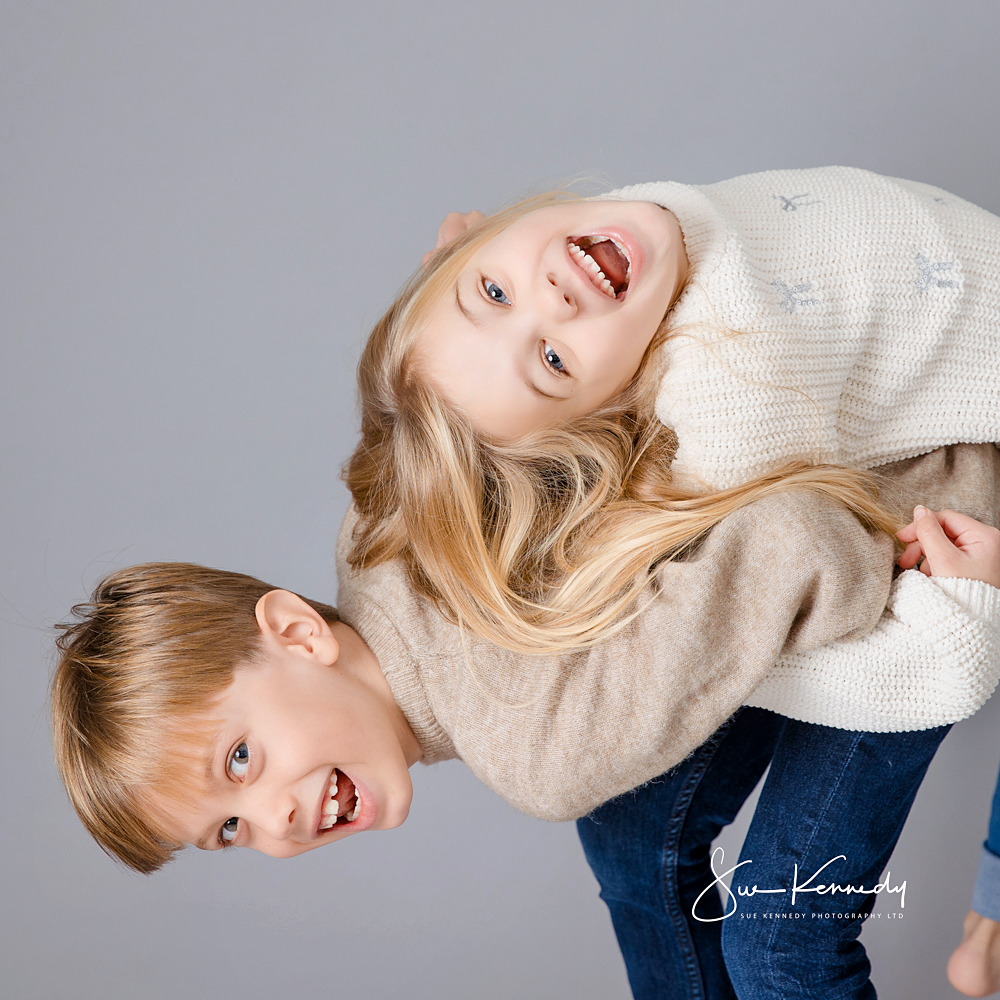
What is my role as a parent during the portrait experience?
What if my child is ill on the day of our portrait experience?
We don’t power through; we reschedule.
Mums know when something is off. That intuition matters here, and I trust it.
If your child isn’t feeling themselves, it’s far kinder – for them and for you – to pause and reschedule.
You won’t be penalised for listening to your child
Illness isn’t something to push past or feel awkward about.
If your baby or child is clingy, flat, uncomfortable, or simply not themselves, that’s your sign. Trying to carry on often means everyone feels tense – and the artwork can end up reflecting that, rather than the joy and connection you were hoping for.
I never want you to look back and see illness where you hoped to see ease.
What to do if you’re unsure
If you wake up on the day and something doesn’t feel right, just get in touch.
We can talk it through together and decide what feels best. There’s no expectation that you’ll “make it work” for my sake or feel embarrassed about asking the question.
You’re not inconveniencing anyone by prioritising your child’s wellbeing.
Why rescheduling is sometimes the best choice
Children who are unwell don’t have the energy to engage, explore, or relax. And parents often carry the worry of that the whole time.
Waiting until your child feels better means:
- They’re more comfortable
- You’re more at ease
- The experience feels lighter
- The artwork reflects joy, not strain
It also helps keep everyone healthy – including me – so we can all show up fully.
The reassurance most parents need
This happens more often than you think.
Parents are never judged for it.
They’re never made to feel difficult.
And they’re always relieved afterwards that they listened to their instincts.
Choosing to reschedule isn’t a failure. It’s care.
Is this approach right for you?
This experience is ideal if you want your child’s wellbeing to come first – and if you want artwork that feels warm, present, and genuinely reflective of who they are.
If you’re worried about illness, that usually means you’re exactly the kind of thoughtful parent this experience is designed for.
What if my baby or child doesn’t cooperate on the day?
There is no such thing as a baby or child “not cooperating” here.
Babies cry.
Toddlers test boundaries.
Young children move, observe, warm up slowly, or change their minds entirely.
All of that is normal. And all of it is expected.
You haven’t failed – and your child isn’t a problem
If your child is clingy, shy, energetic, serious, wriggly, strong-willed, or having an off day, nothing has gone wrong.
You don’t need to apologise.
You don’t need to manage them differently.
You don’t need to feel embarrassed.
This experience is designed around children being exactly who they are, not who we wish they’d be for an hour.
This is why the experience is unhurried
There’s space to pause, reset, cuddle, explore, laugh, or do nothing at all for a moment.
We follow your child’s lead and respond to them, rather than asking them to perform or behave in a certain way. Often, it’s the quiet in-between moments – the way they look back at you, the way they move, the way they connect – that reveal the most.
Parents are often surprised by how much unfolds once the pressure is removed.
You are not the only one worried about this
Almost every parent arrives with this fear, even if they don’t say it out loud.
They worry their child will be “the difficult one” or that everyone else’s children somehow cope better.
They don’t.
Your child’s temperament isn’t unusual.
Your nerves aren’t a sign you’re doing something wrong.
You belong here just as much as anyone else.
What this means for what you take home
Because the experience is child-led and flexible, what we create together reflects your child’s true personality – not a forced version of them.
That’s why the artwork feels familiar when parents see it.
Not polished. Not performative.
But recognisable and real.
And that recognition is often what brings the deepest sense of reassurance.
Is this right for your child?
This experience is ideal if you want your child to be met where they are, without pressure or expectation – and if you want to feel calm rather than on edge throughout.
If you’re worried about cooperation, that’s usually a sign this slower, more responsive approach is exactly what you need.
Read more about how child-led sessions actually work.
What if my baby cries or doesn’t smile?
Your baby doesn’t need to perform here. The important thing to know is this: Smiling isn’t the goal.
Parents will sometimes tell me how smiley their baby usually is, as if that’s what I’m hoping for. And when their baby arrives curious, thoughtful, serious, or quietly observant instead, it can feel frustrating or disappointing.
Smiles are lovely – but they’re only one small part of who your baby is.
A curious look.
A thoughtful pause.
A serious expression while they take everything in.
Those are not “missed opportunities.”
They’re often where recognition lives.
This experience isn’t built around getting a particular reaction. It’s about allowing your baby to be exactly who they are in that moment, without coaxing or expectation.
Crying doesn’t mean something has gone wrong
Babies cry.
They communicate.
They have off moments, clingy moments, and moments where they need comfort more than interaction.
None of that ruins anything.
If your baby needs to pause, be held, fed, or simply stay close, we respond to that rather than pushing through it. The experience adapts to your baby – not the other way around.
You don’t need to manage or apologise
You’re not responsible for making your baby smile.
You don’t need to entertain them.
You don’t need to feel awkward if they don’t respond “as expected.”
Some of the most meaningful portraits come from babies who are quietly watching, taking things in, or staying close to their parent.
Those expressions are often the ones parents recognise most deeply later on.
What parents usually realise afterwards
Parents who worried their baby didn’t “do enough” often say something different once they see the portraits.
They recognise their child.
They see their personality.
They realise the serious, curious, or calm expressions were part of who their baby was at that stage.
And the pressure they were carrying lifts.
Is this approach right for you?
This experience is ideal if you want your baby to be met as they are – not encouraged to perform or behave a certain way.
If the idea of letting go of smiles, tricks, and expectations feels like a relief, you’re in exactly the right place.
Can I still book a portrait experience if I don't like being in photos?
Yes. And you’re not unusual for feeling this way.
Many parents arrive feeling unsure about being included – not because they don’t love their children, but because they’re still finding their way back to themselves. Your body may feel unfamiliar. Your identity may feel shifted. The idea of being seen can feel heavier than expected.
There is no requirement to be ready, confident, or certain.
You’re always in control of how much you’re included
This experience is designed to meet you where you are.
Some parents begin thinking they’ll stay out entirely.
Some decide to step in for a moment.
Some choose to be part of it more fully once they feel settled.
All of those choices are valid.
There is no pressure, no persuasion, and no expectation that you “should” want to be included. We move at your pace, and your comfort leads the way.
This isn’t about being camera-ready
If you do choose to be included, the intention is never to present a polished or perfected version of you.
The focus is on how you are seen by your child – with dignity, warmth, and honesty. Not posing. Not performing. Just being present in a way that feels natural and respectful.
Many mums are surprised by how different this feels from what they feared. Not because something magical happens – but because the pressure to look a certain way simply isn’t there.
It’s okay if this feels emotionally loaded
For a lot of mothers, this question brings up more than expected.
You might worry you won’t recognise yourself.
You might feel unsure about your body.
You might feel conflicted about wanting to be included at all.
None of that makes you vain or difficult.
It makes you human.
And you’re not alone in it.
What most mums say afterwards
Whether they chose to be included a little or a lot, many mums say the same thing afterwards – often with a quiet sense of relief.
They tell me they’re glad they did it.
That it felt easier than they expected.
That the artwork feels like them and their child, not a version they were trying to live up to.
You can often hear it in their voices. That soft exhale of:
“I’m really pleased we did this.”
Not because everything was perfect – but because they felt gently guided through something that felt bigger than they realised at the start.
That relief matters. And it’s something many mums don’t know they’re looking for until they feel it.
Is this experience right for you?
This experience is ideal if you want choice without judgement, guidance without pressure, and to be met with care rather than expectation.
You don’t need to decide anything in advance.
You don’t need to feel ready.
You don’t need to be brave.
You just need to be you, exactly as you are right now.
Can parents and siblings be included too?
Yes – they can be, and it doesn’t complicate the experience.
Including parents and siblings is woven in naturally and thoughtfully, rather than treated as a separate or formal add-on. The focus remains on connection, not on getting everyone to behave or pose at once.
How inclusion works in practice
Some families come in wanting portraits that centre on one child.
Others are drawn to a few shared moments with parents or siblings included.
Many decide what feels right once they see how the experience unfolds.
There’s no fixed structure you have to commit to in advance.
Inclusion is guided gently, at a pace that feels comfortable for everyone – especially children who may need time to warm up or move in and out.
This doesn’t mean things get chaotic
Parents sometimes worry that adding siblings or including themselves will make the experience feel busy or overwhelming.
In reality, it often does the opposite.
When children are allowed to interact naturally with the people they know best, they tend to settle more easily. And when parents aren’t bracing themselves to “make it work,” the whole experience feels lighter.
Nothing is forced. Nothing is staged.
For parents who feel unsure about being included
It’s very common to feel hesitant, especially if being in portraits doesn’t come easily to you.
There’s no pressure to step in fully or at all.
You can choose a moment, or simply let things unfold.
If inclusion happens, it’s done with care and respect – in a way that feels natural rather than performative.
What most families choose
Many families end up with a mix:
- Portraits of their child on their own
- A few shared moments with parents or siblings
That balance often feels right – it reflects the family as they are, without trying to include everyone all the time.
Is this approach right for you?
This experience is ideal if you want flexibility, not rigid rules – and if you like the idea of inclusion being available without obligation.
If you secretly like the thought of being included but don’t want pressure, you’re in exactly the right place.

What to Expect on the Day
How long does a portrait experience last?
Most families are with me for around an hour, but we’re never watching the clock; this experience is designed to unfold at your child’s pace.
That’s intentional.
Children need time to arrive, observe, warm up, and feel comfortable – and often, parents do too. This experience allows space for that, without anyone feeling rushed or watched.
There’s room for real life
If your baby needs a nappy change, a cuddle, or a feed, that’s completely fine.
If your toddler takes a while to warm up or wants to sit back and watch before joining in, we allow for that.
Nothing is hurried. Nothing is treated as an interruption.
Those pauses are part of the rhythm, not something we’re trying to avoid.
Why taking our time matters
When children feel unpressured, they settle more naturally.
When mums feel they’re not on the clock, they relax too.
And it’s often that moment – when everyone exhales – that connection becomes visible.
Rushing would only work against that.
This isn’t about filling time
A longer, flexible experience doesn’t mean more posing or expectation.
It means:
- Time for your child to feel at ease
- Space for shy children to warm up
- Freedom to pause when needed
- A calm flow that responds to energy, not minutes
The goal is never to keep going for the sake of it. It’s to stop at the point where your child has given what they comfortably can.
What parents usually notice
Many parents tell me afterwards that the experience felt much calmer than they expected.
They weren’t watching the clock.
They weren’t apologising for their child.
They weren’t bracing for things to go wrong.
They simply had space to be present.
Is this the right approach for your family?
This experience is ideal if you want things to feel unhurried, child-led, and emotionally settled – especially if your child is shy, sensitive, or needs time to warm up.
If the idea of not racing the clock feels like a relief, you’re in the right place.
What should my baby or child wear?
I recommend one outfit only. Simple really is best.
This is one of the most common things parents worry about – and the part I encourage you to keep simple.
You don’t need to change who your child is, upgrade their wardrobe, or overthink this.
Young babies are often most comfortable in a simple nappy cover – think vest (without legs) frilly knickers or shorts. Once children are sitting, crawling, or walking, one well-chosen outfit is usually all we need.
Most children don’t enjoy being changed. Even when parents think they’ll be fine with it, it can quickly become stressful – and that stress takes energy away from your child and from the experience as a whole.
Keeping things simple helps your child stay settled and relaxed for longer.
Young babies are often most comfortable in a simple nappy cover – think vest (without legs), frilly knickers or shorts.
Once children are sitting, crawling, or walking, one well-chosen outfit is usually all we need.
Most children don’t enjoy being changed. Even when parents think they’ll be fine with it, it can quickly become stressful – and that stress takes energy away from your child and from the experience as a whole.
Keeping things simple helps your child stay settled and relaxed for longer.
Why I guide this quite deliberately
Children have a limited window before they tire or lose interest.
Stopping to change outfits can break their rhythm and use up valuable time just as they’re warming up.
When we keep clothing uncomplicated, your child can stay focused on exploring, connecting, and being themselves – which is where the most natural portraits come from.
That ease matters far more than variety.
A helpful middle ground
I usually suggest having one spare outfit with you, just in case.
Not because it’s expected – but because occasionally a fresh outfit can gently reset the energy if a child becomes unsettled or uncomfortable.
Think of it as a backup, not a plan.
Often it stays in the bag. And that’s perfectly fine.
What tends to work best
Clothing that’s:
- Comfortable
- Unfussy
- Easy for your child to move in
- True to who they are
Neutral tones and simple textures (like knits & denim) tend to age beautifully, but the most important thing is that your child feels at ease.
If something feels like “them,” it’s usually right.
And if you’re still unsure
You don’t have to decide this alone.
I’m always happy to guide you beforehand so you can feel settled and confident – without second-guessing yourself or adding another task to your list.
Is this approach right for you?
This experience is ideal if you want things to feel calm, unhurried, and child-led – without outfit changes becoming the focus.
If the idea of keeping it simple feels like a relief, you’re exactly on the right track.
After Your Experience
When will we see our portraits?
It’s completely natural to ask this – especially if you’ve had a previous experience where things felt slow, unclear, or dragged on longer than expected.
One of the things parents value most here is knowing what happens next, and knowing they won’t be left wondering.
You won’t be left waiting or chasing
This experience is designed to feel contained and considered, not open-ended.
You’ll be guided clearly through what comes after your time together, with a defined flow rather than long gaps or unexplained delays.
Communication stays personal and intentional, so you always know where you are in the experience.
Thoughtful timing, shaped around your family
For many families with young children, it works best to separate the experience and the portrait selection. It gives everyone time to rest, and it allows you to come back feeling calm and clear.
That said, if seeing your portraits on the same day feels easier – for example, if you’ve travelled some distance – we can absolutely do that.
I’ll shape the flow of the day around what works best for you. Just let me know when you book.
There’s no one right way. The aim is always to reduce pressure, not add to it.
Why timing matters with portraits
With family and childhood portraits, momentum matters.
The connection is fresh.
Your child is still in that stage.
You’re still holding how it felt to be there together.
This experience is structured so that care and attention continue after the day itself – rather than being paused for weeks and losing that sense of connection.
The reassurance most parents need
You won’t be waiting six weeks just to see something.
You won’t be wondering whether you’ve been forgotten.
And you won’t need to chase updates.
From start to finish, the experience is held with intention – all the way through to when your artwork is ready to live with you.
Is this approach right for you?
This experience is ideal if you value:
- Clear communication
- Thoughtful pacing
- Flexibility shaped around your family
- Feeling cared for beyond the day itself
How many portraits will we see?
This is a very common question – and it’s usually not about wanting more, but about wanting to understand how considered the experience will feel.
The reassuring answer is this: you won’t be shown everything I take.
And that’s very much by design.
This isn’t about volume – it’s about value
During the experience, I create a wide range of portraits, so there’s variety in expression, connection, and feeling.
But what you’re shown is carefully curated.
You’re not asked to look through every blink, test frame, or in-between moment. You won’t be handed hundreds of images and left to work out what matters.
Instead, you’re guided through a thoughtfully selected set that shows the depth and range of what we created together – without overwhelm.
You’re not expected to do the heavy lifting
I once had a parent worry they’d have to look at every single photograph taken and somehow make sense of them all.
That’s not how this works.
Part of what you’re investing in is discernment – the ability to recognise what holds meaning and what works together, and to present that clearly.
You’re supported in seeing:
- The different sides of your child
- The variety that unfolded naturally
- How individual portraits relate to one another
That guidance removes pressure rather than adding to it.
Why this approach feels easier
When choices are curated, decisions feel lighter.
You’re able to respond emotionally instead of analytically.
You can notice what draws you in, rather than trying to compare endlessly.
You’re not worrying about missing something hidden further down a long gallery.
Parents often say they’re surprised by how clear their favourites feel once the overwhelm is removed.
What this means for what you take home
The number of portraits you fall in love with varies – and that’s okay.
Some families are drawn to a small, cohesive set.
Others see possibilities for a story-led collection.
There’s no expectation either way. The focus is always on creating artwork that feels intentional, settled, and right for your family.
Is this approach right for you?
This experience is ideal if you:
- Want quality over quantity
- Prefer guidance to guessing
- Feel overwhelmed by large galleries
- Appreciate someone helping you see what really matters
If the idea of not having to sort through everything yourself feels like a relief, you’re exactly who this was designed for.
Will our artwork be in colour or black and white?
You don’t need to decide this upfront – and there isn’t a right or wrong choice.
I work with both colour and black and white, and you’ll see examples of each throughout my work because different images call for different treatments.
That choice is guided gently, not imposed.
You don’t need to be “good at this”
Many parents worry there’s a correct preference they’re meant to have, or that one option is more timeless than the other.
In reality, what matters most is how the portrait feels – not whether it’s in colour or black and white.
Some images are beautifully held by softness and simplicity.
Others benefit from warmth, tone, and subtle colour.
We respond to what unfolds, rather than deciding too early.
Why this isn’t something you need to figure out alone
You’re never expected to look at an image and instantly know what it should be.
Part of the guidance in this experience is helping you sense what suits:
- Your child
- Your home
- The way you want to live with the artwork
That support removes the pressure of feeling like you need strong visual instincts or firm preferences.
What most parents notice
Many mums find they’re drawn to a mix – and that’s completely fine.
What matters isn’t choosing a style in advance, but ending up with artwork that feels settled, balanced, and right for your family.
Is this approach right for you?
This experience is ideal if you’d like to be guided gently rather than asked to make aesthetic decisions on your own.
If you enjoy seeing both colour and black and white and trusting that the right choice will become clear, you’re exactly where you need to be.
Practical Details
How do I book?
Booking begins with a simple enquiry.
Once you get in touch, we’ll talk through timing, availability, and which of my portrait experiences might be the best fit for your family. Nothing is locked in until everything feels clear and comfortable.
If you already know which experience you’re drawn to, you’re welcome to explore the details – head to the ‘experiences’ tab to find the specific info page.
And if you’re unsure, that’s completely fine too. Many parents begin with a conversation and decide from there.
If you’d prefer to talk it through, you can call me on 01279 433392.
Where are you based?
All portrait experiences take place in my studio, which is designed to feel calm, unhurried, and comfortable for babies, children, and parents.
My studio is located within Parndon Mill, on Harlow’s outskirts, home to many creative businesses, but it is still one of Harlow’s best-kept secrets. Our postcode is CM20 2HP.
There is plenty of free visitor parking.
I operate on a by-appointment basis to ensure that each family has the time they need.
You don’t need to bring anything special; everything is set up to support a relaxed, child-led flow from the moment you arrive.
Directions are sent with your booking confirmation.
How far ahead should I book?
For Saturday appointments, I’m typically booking 2 to 3 weeks ahead. Weekday appointments (Wed-Fri) usually have more flexibility. I work with a limited number of families so everyone gets proper time and attention, so it’s worth getting in touch sooner rather than later.
Call me on 01279 433392, and I’ll always do my best to make space for you.
Will it genuinely be worth it?
It’s really important to me that children feel the love of their family as they’re growing up, and one of the ways of doing that is through displaying portraits around the home.
Sometimes it’s not even the parents who book first. One grandparent, tired of waiting, said this about the finished artwork in her hall:
“Everyone comes into my house with a smile on their face.”
I hear some version of that a lot. Parents tell me things like:
“I’m so glad we did this.”
“I didn’t realise how much this would mean to me.”
“This feels more like them than anything on my phone.”
When life gets busy, and it always does, having something real from this stage becomes surprisingly meaningful. You notice the little expressions, the personality, the spark, and you’re reminded of why this time mattered.
It’s not about having perfect photos. It’s about having something genuine to look back on as your child grows.
I think about it this way. I bet you can think of a printed photo that transports you back to a happy time, or makes you smile. Displaying portraits does that for the people living with them every day, not just the person who took them. You’re making that happen for the next generation, who have far less chance of discovering a shoebox of old photos to reminisce over than you did.
So is it worth it? I can’t answer that for you, only you know what matters to your family. But I can tell you what I see happen, again and again, once the artwork is finally on the wall.
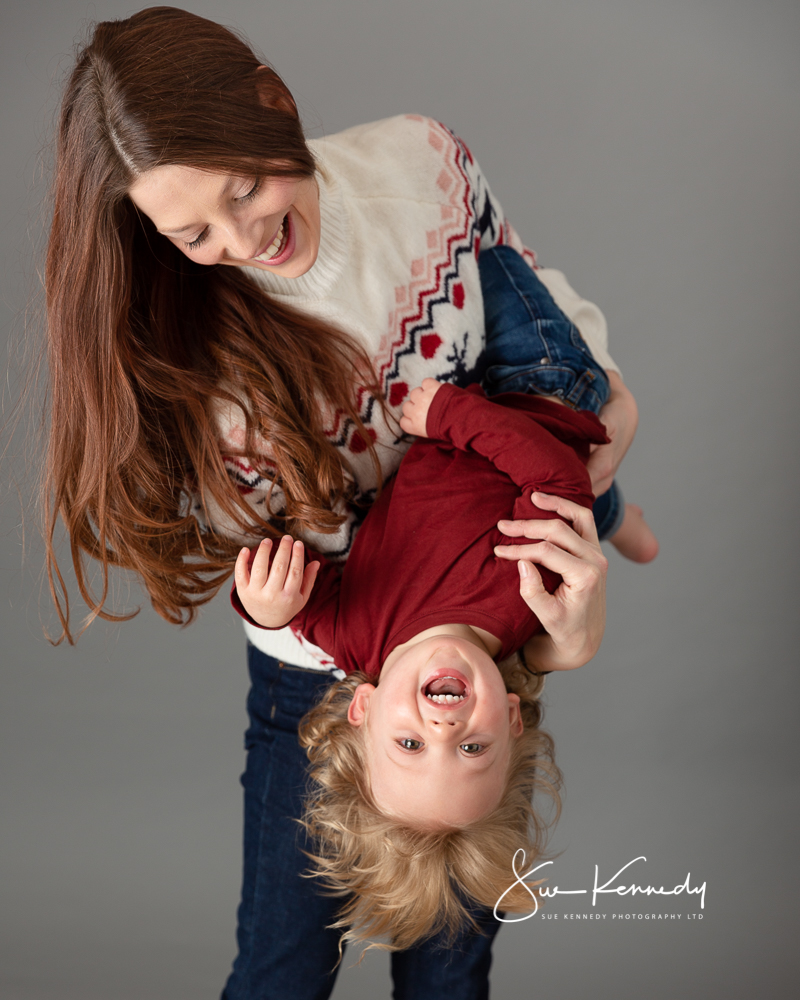
If this feels right
If you’ve read this page and felt a quiet sense of recognition, you don’t need to rush or decide everything today.
You’re welcome to get in touch, ask questions, or talk things through before booking. Sometimes a short conversation is all it takes to feel clear.
You can call me on 01279 433392, and we’ll go from there.
If you have a question you didn’t see answered here, you’re very welcome to ask.
Not quite ready? Take a look behind the scenes.