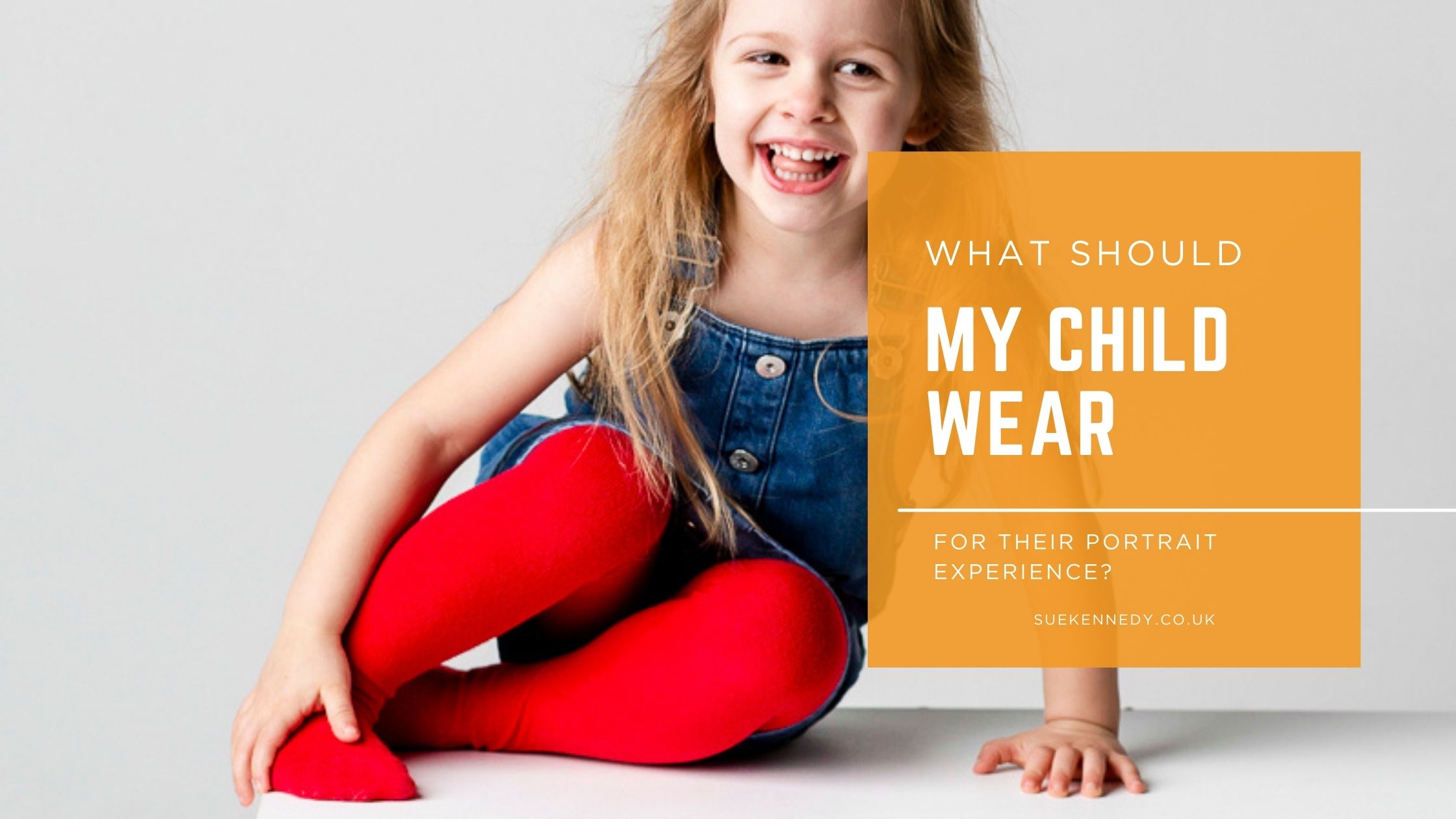
One of the most common questions parents ask is:
“What on earth should my child wear so they still feel like themselves?”
If you’ve ever stood in front of the wardrobe wondering whether you’re overthinking it (you’re not), you’re in the right place.
Clothing matters – not because it needs to be perfect, but because the right choices help your child feel comfortable, confident, and free to simply be who they are.
And that’s where the magic lives.
Choose Clothes That Feel Like Them
Before trends or colours, start here:
Does this outfit reflect my child’s personality?
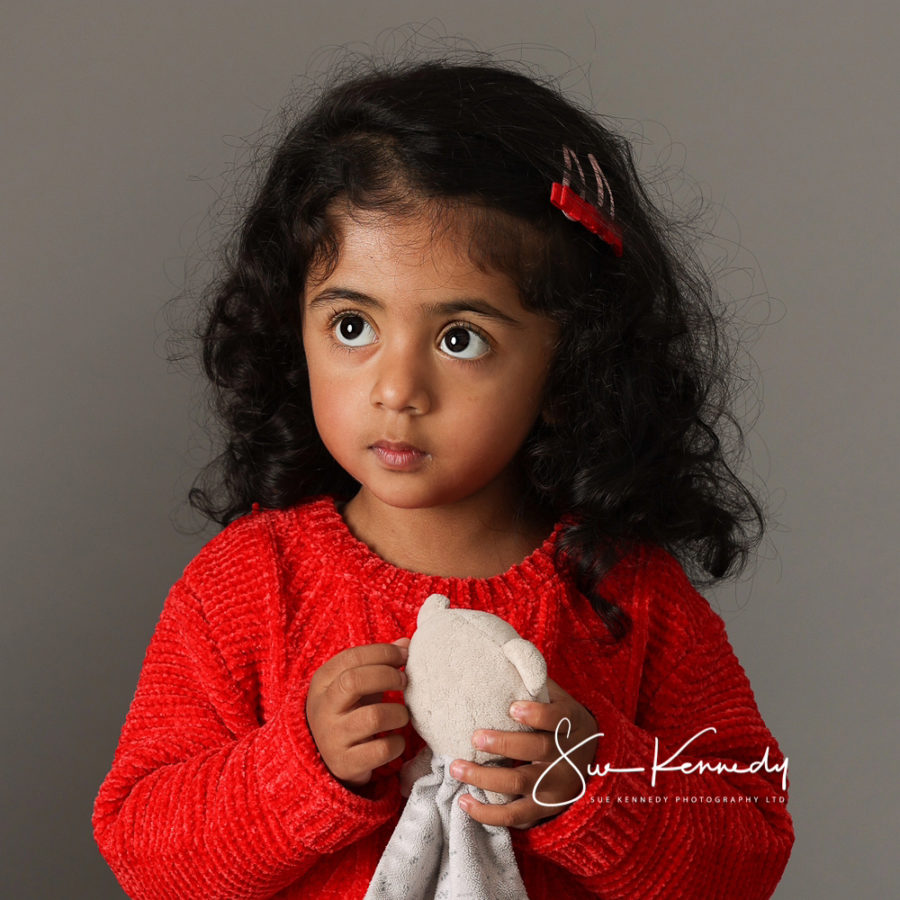
When children feel like themselves, they relax – and that’s when their true expressions shine through. Favourite clothes often equal happier children, and happier children lead to artwork that feels honest and full of connection.
There’s no “right” style. There’s only right for your child.
Bringing More Than One Outfit (Optional, Not Required)
You’re never expected to bring multiple outfits – but if you’d like variety, a small selection can work beautifully.
A simple guide:
- One everyday outfit
- One slightly dressed-up look
- One comfortable, relaxed option
This gives flexibility while keeping things easy for your child. If they love what they’re wearing, they’re far more likely to engage and enjoy the experience.
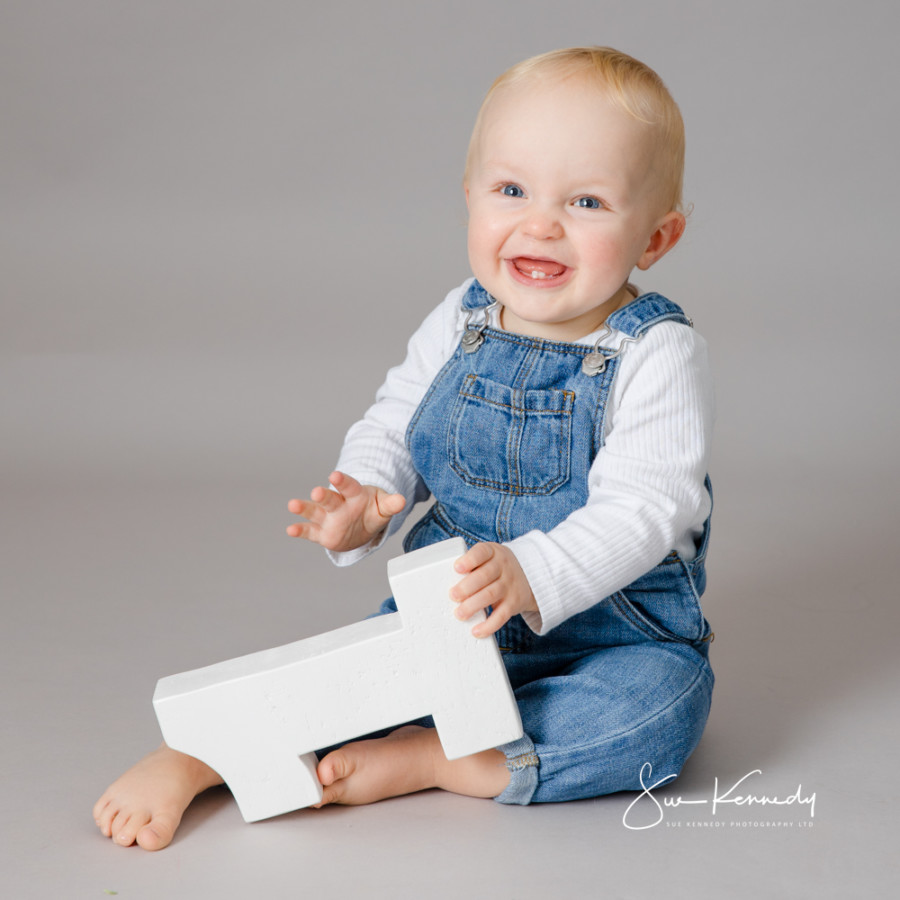
Keep the Focus on Your Child (Not the Clothing)
The goal of your child’s portrait is to celebrate them — their expressions, their confidence, their unique presence.
That’s why it’s best to avoid:
- Large logos
- Bold graphics or characters
- Busy patterns that draw the eye away
Plain or softly textured clothing keeps attention exactly where it belongs: on your child’s face and personality.
(Yes – favourite character tops are wonderful… just not ideal for this experience.)
What to Wear for Different Stages
Bump Portraits
Figure-hugging clothing that gently highlights your bump works beautifully. Leggings with a vest top, a softly sheer cover-up, or an oversized white shirt can all feel timeless and empowering — with or without skin showing.
Newborns
Less truly is more. A simple nappy allows your baby’s natural features to shine. Bringing a familiar blanket can help them settle, and meaningful items like hospital tags or first toys can add gentle storytelling details to your finished artwork.
Babies (4–6 Months)
A nappy or a well-fitted vest that shows tiny hands and toes works perfectly.
Babies (8–10 Months)
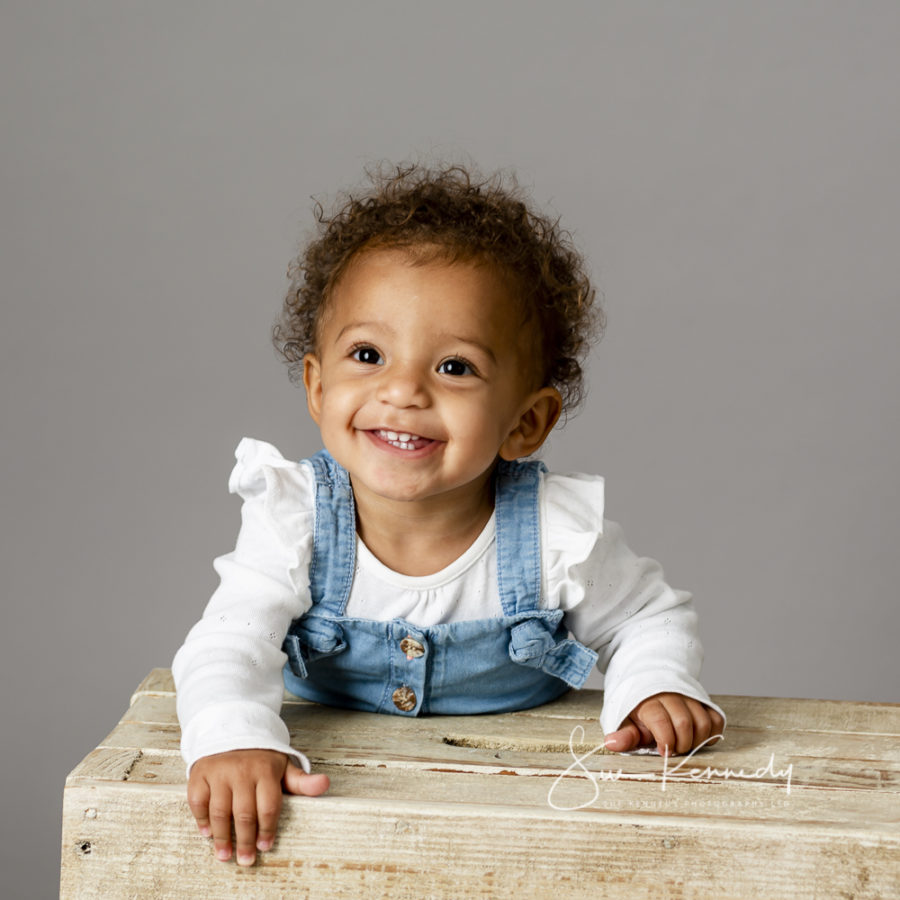
At this stage, comfort and movement matter most. Choose clothes that fit well and allow crawling or sitting. Textures like denim, lace, or knits photograph beautifully. One outfit change is usually plenty.
Toddlers (12–14 Months)
As confidence grows, simplicity remains the winner. Similar guidance to the 8–10 month stage applies – clothes that allow movement and feel familiar help your child relax.
Children
Plain, bold colours with subtle texture work wonderfully, especially for black-and-white artwork. Knits, denim, and soft layers add depth without distraction.
Mother & Children Portraits
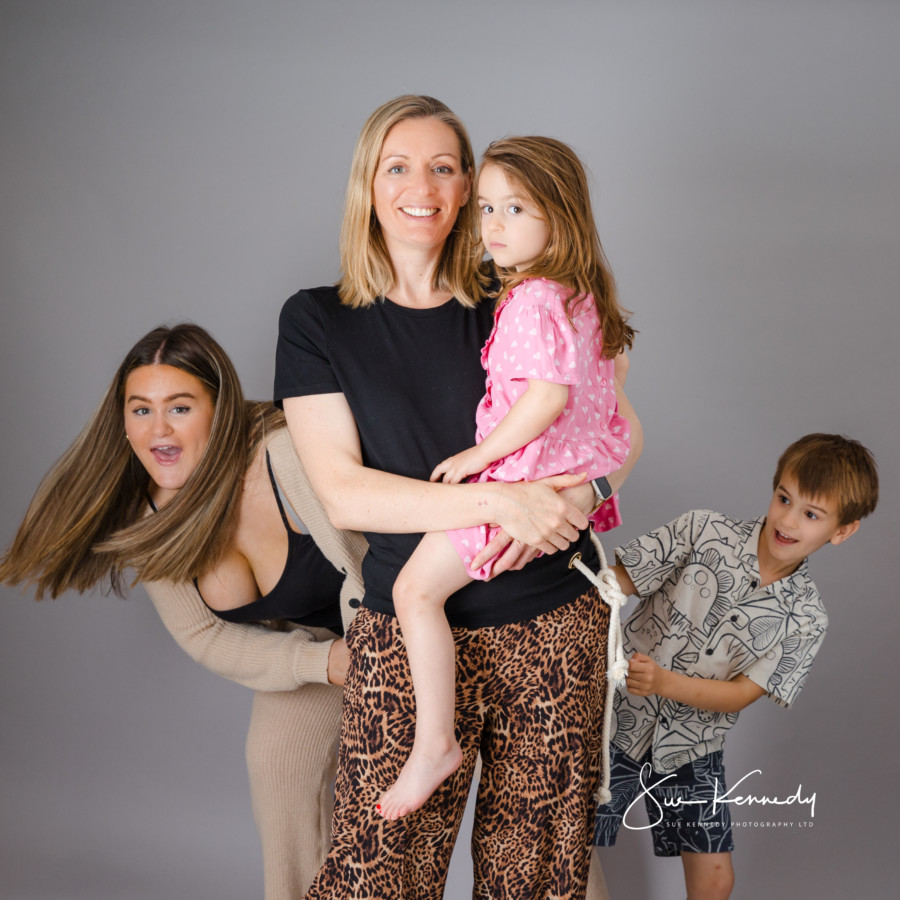
There’s no need to match perfectly – and definitely no requirement for white tops and jeans.
Instead:
- Choose colours that complement each other
- Avoid loud patterns
- Think cohesive, not identical
The aim is harmony – so your family connection becomes the focal point.
A Final Reassurance
Choosing what to wear can feel surprisingly emotional – especially when you know these portraits will live on your walls and become part of your family’s story.
But here’s the truth:
You don’t need to overthink it. You don’t need perfection. You just need to show up as you are.
When your child feels comfortable, seen, and confident, everything else falls into place.
If you’d like to learn more about how my Child Portrait Experience works and what makes it so relaxed for families, you can explore all the details here → Child Portrait Experience
Quick FAQ’s
You’ll find answers here to questions on clothing choices for a portrait experience. For more general questions about the process, artwork, and booking, the main FAQs cover things in more depth.
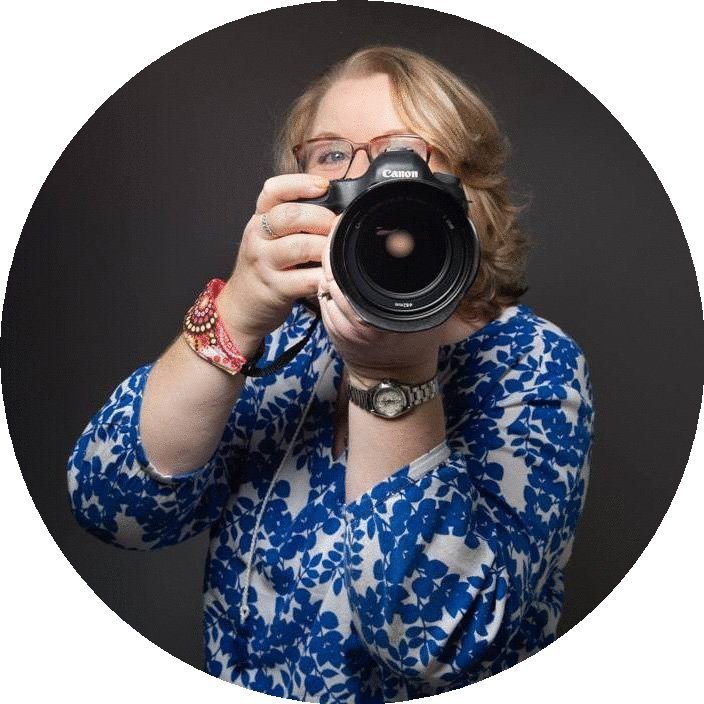 About the photographer: Sue works with parents who want to feel proud of the childhood they’re creating. Her child-led, connection-focused approach reveals the little expressions and moments that matter most.
If you’d like to explore what this could look like for your family, you can start the conversation here →